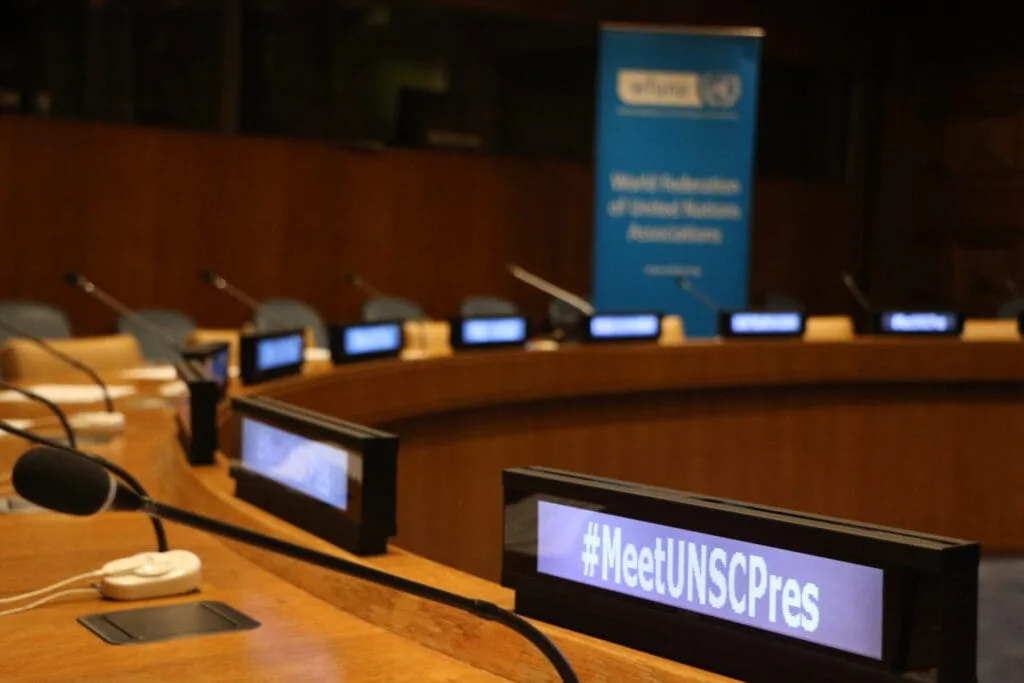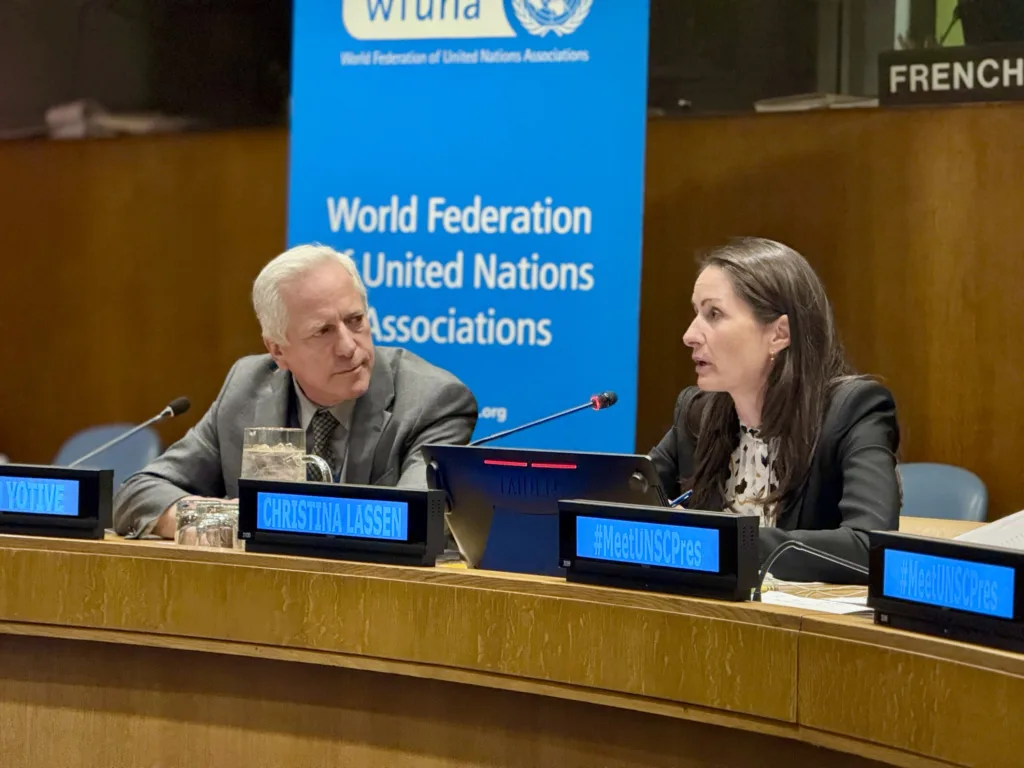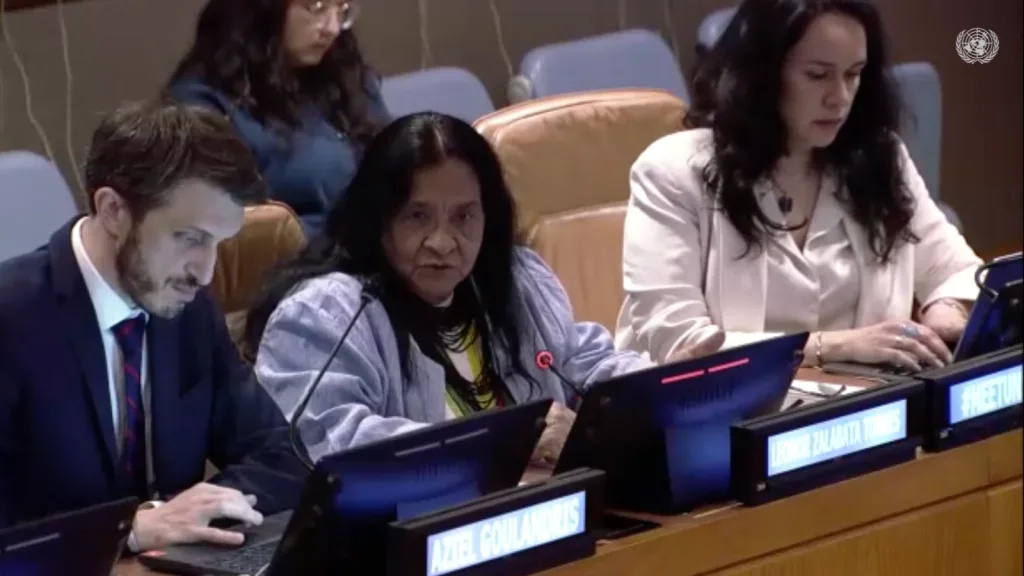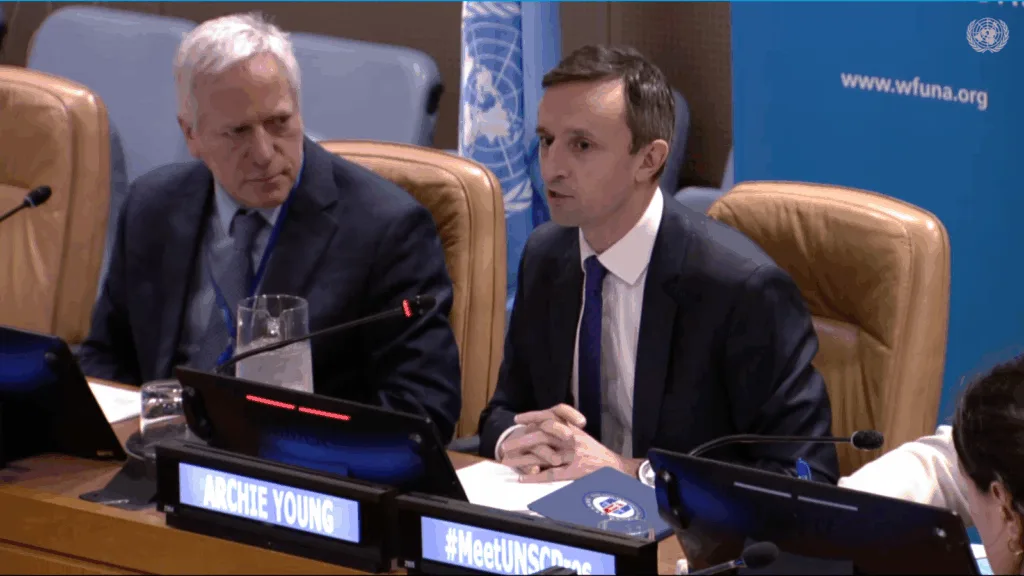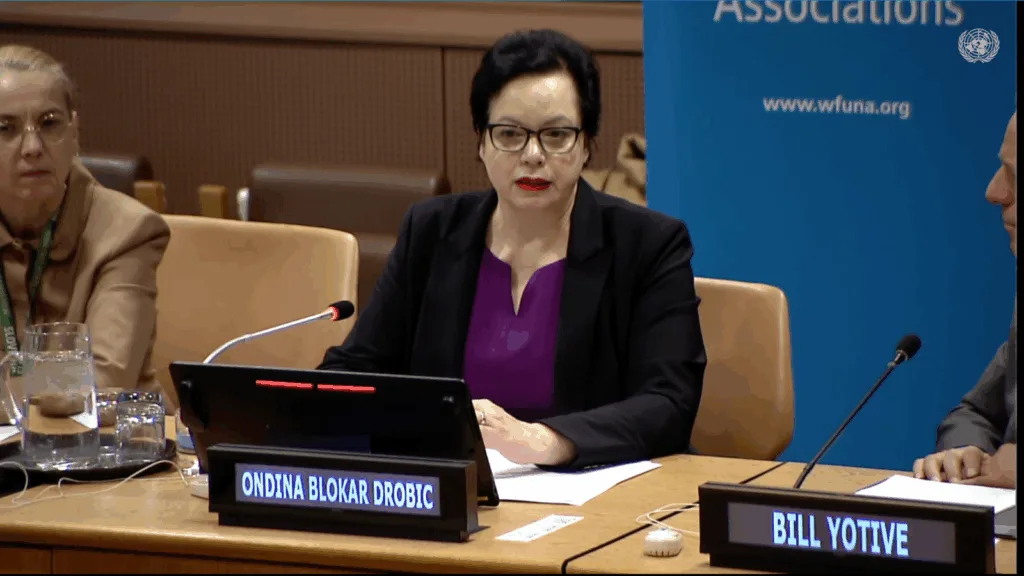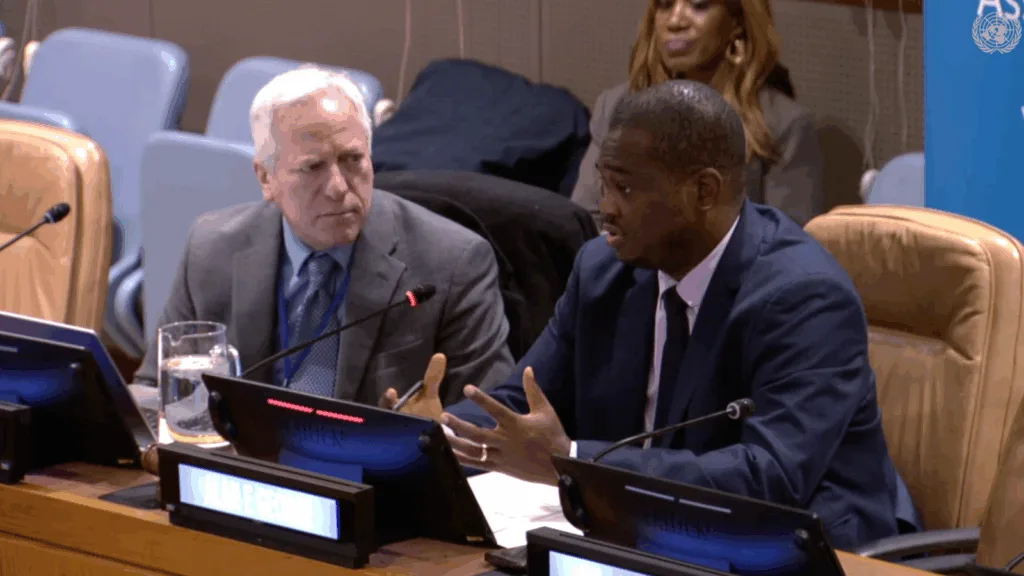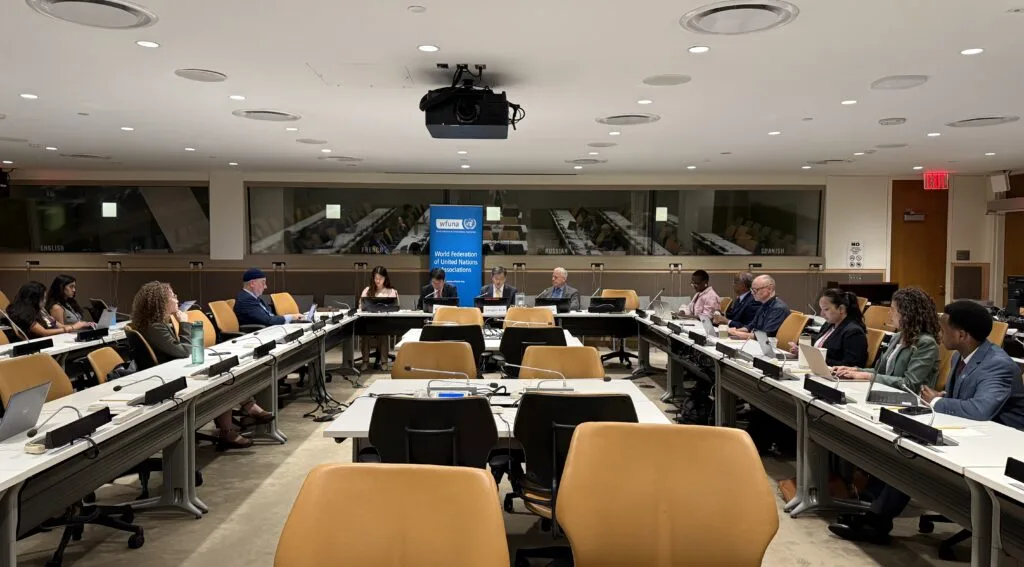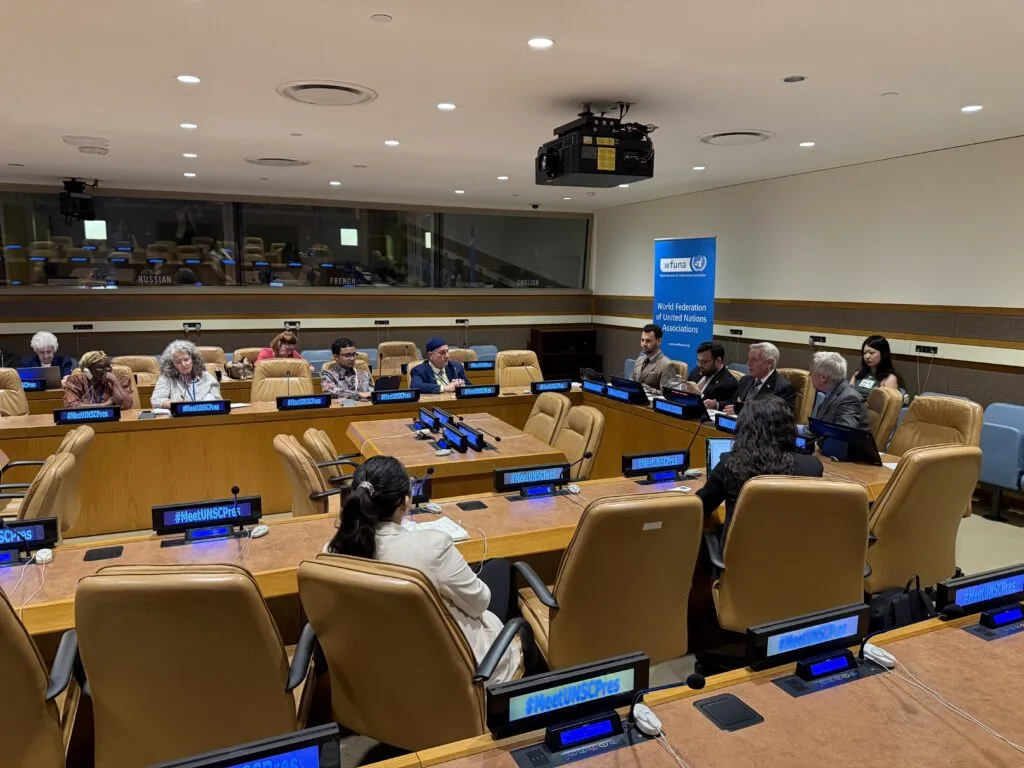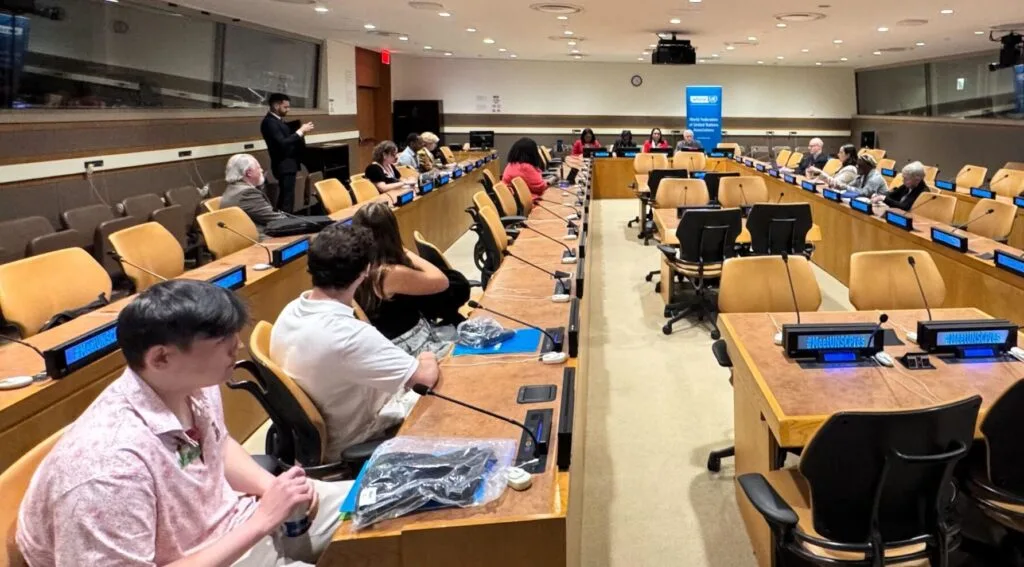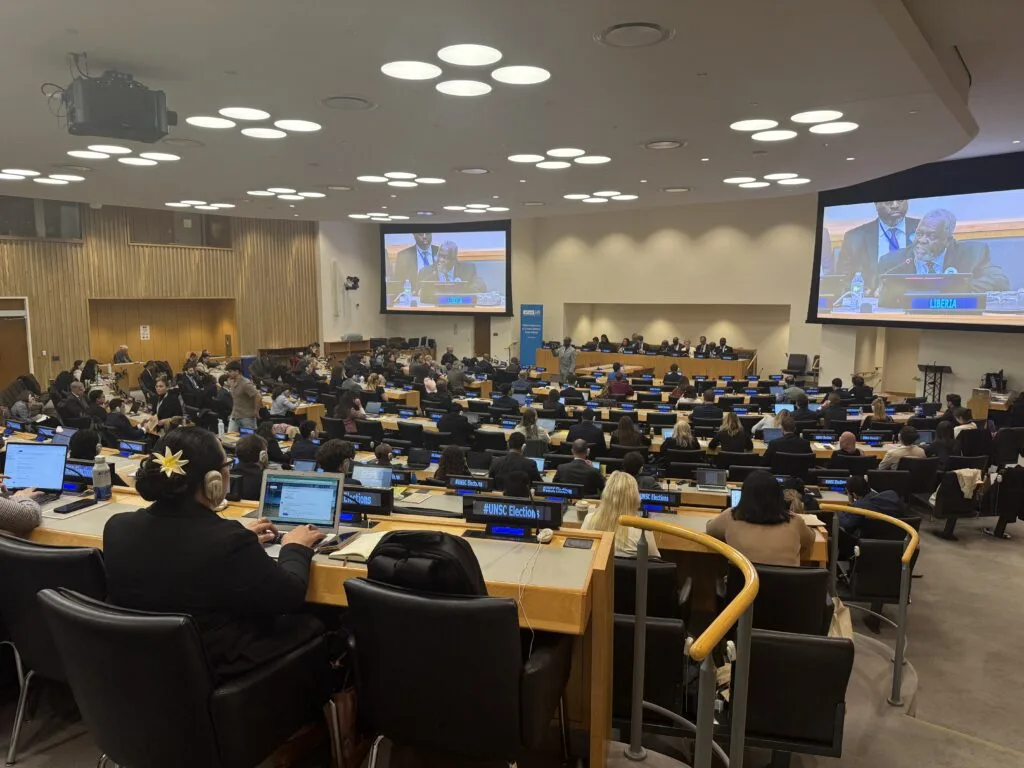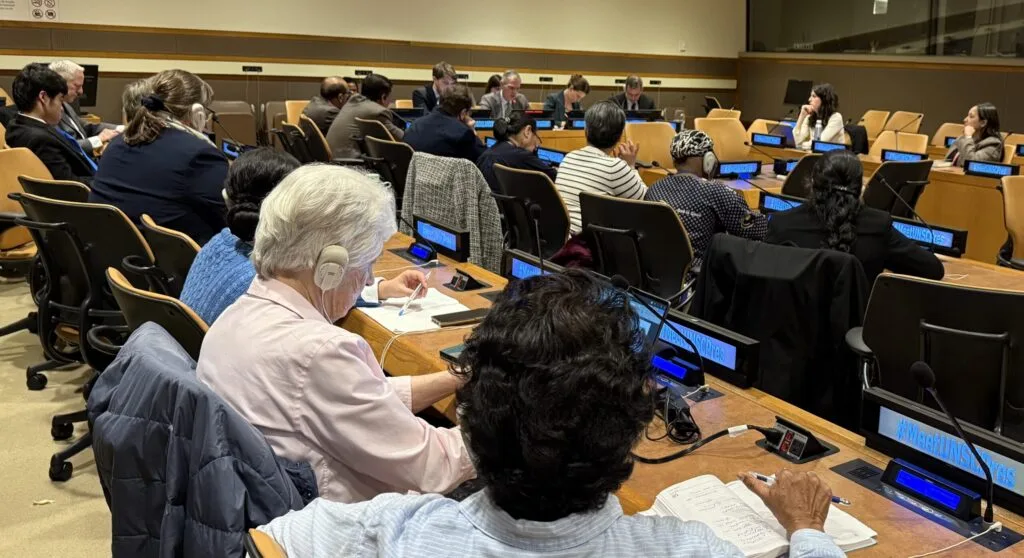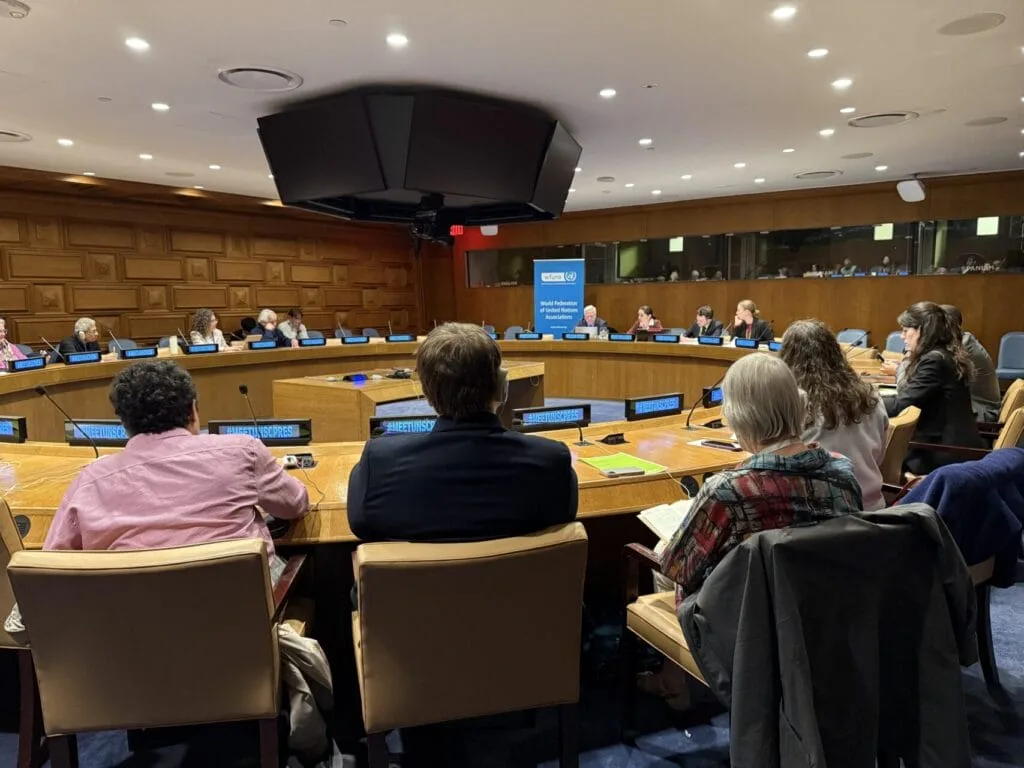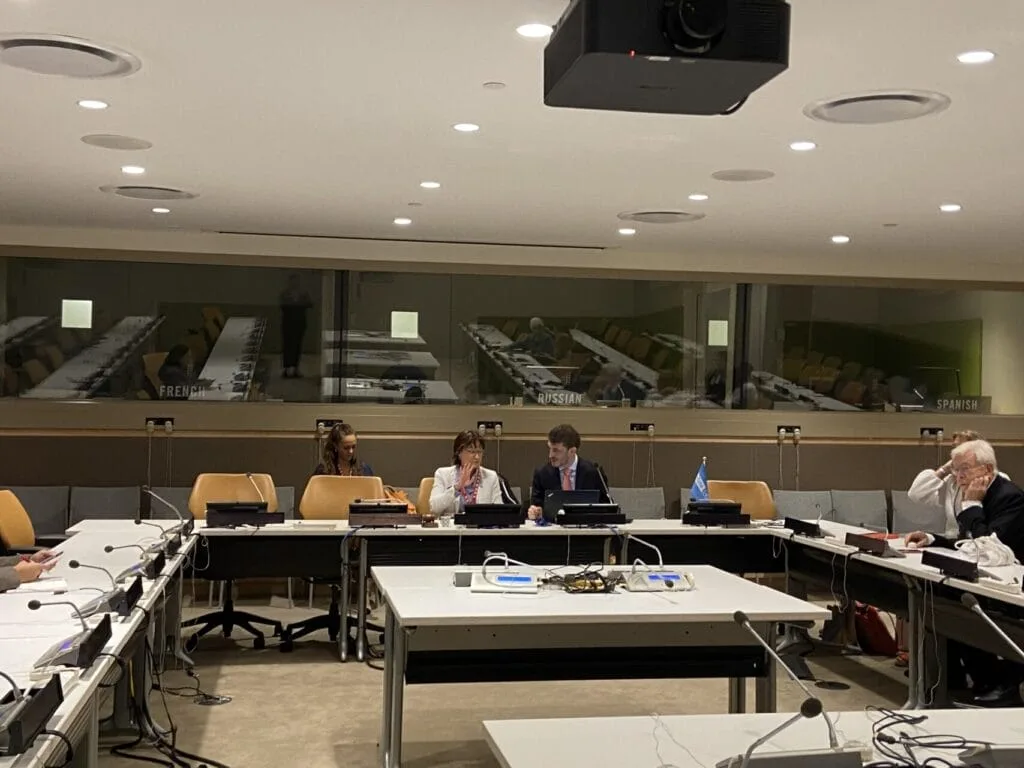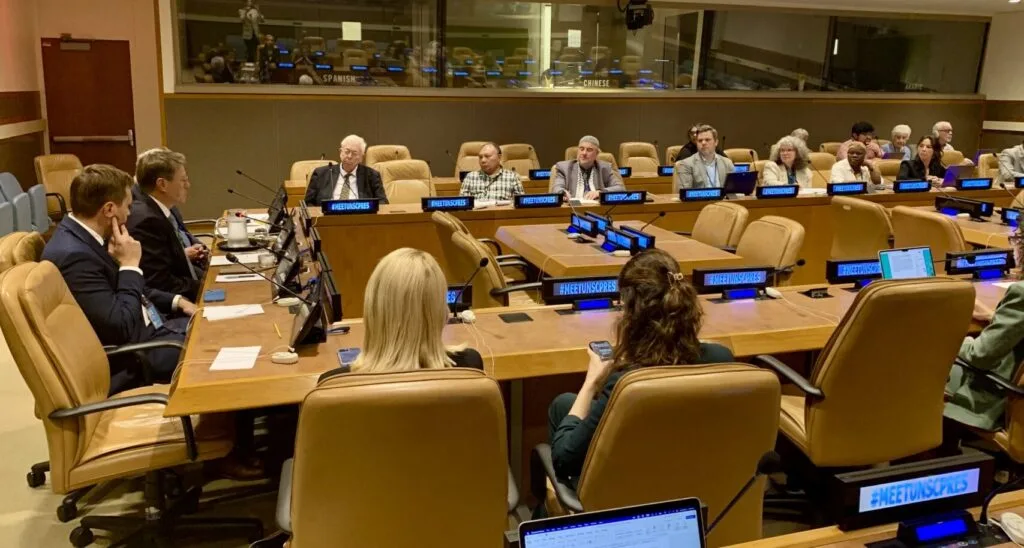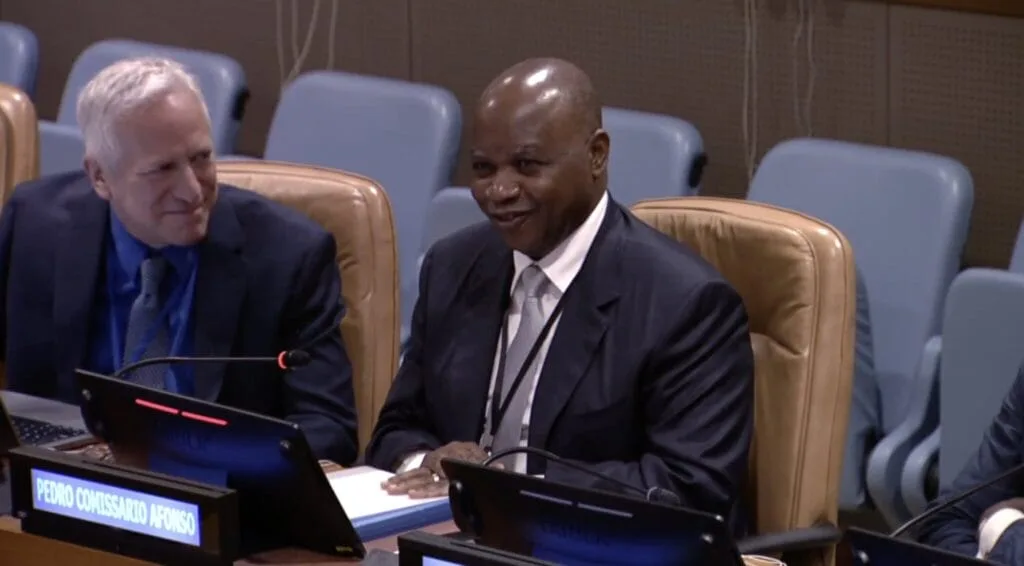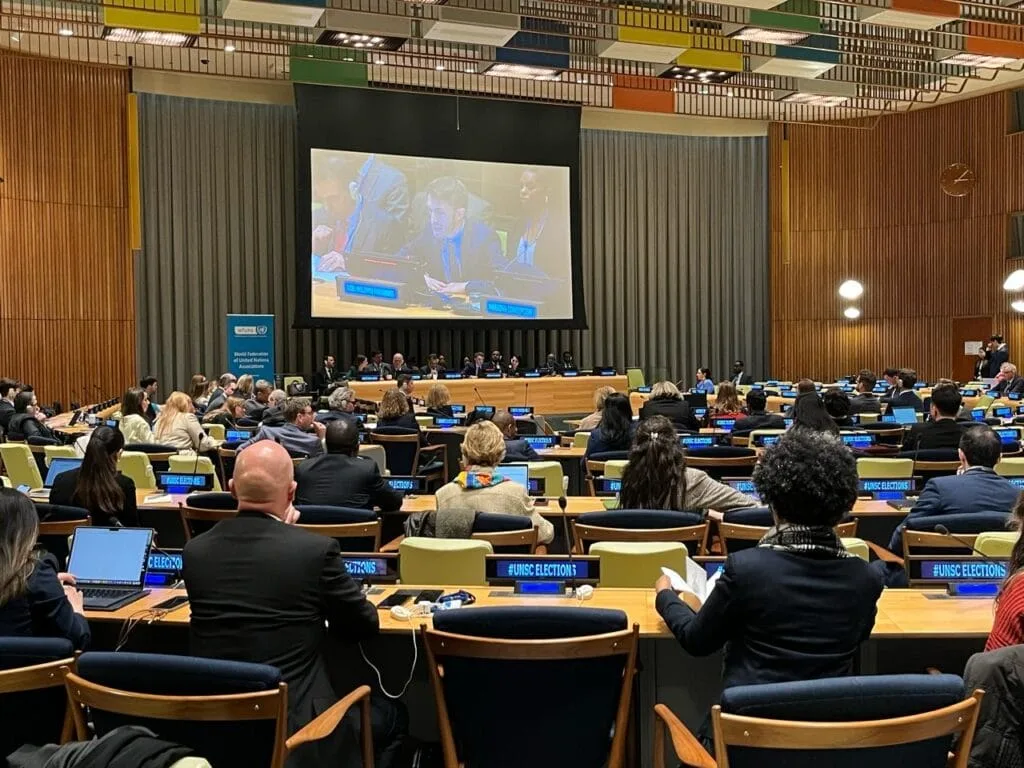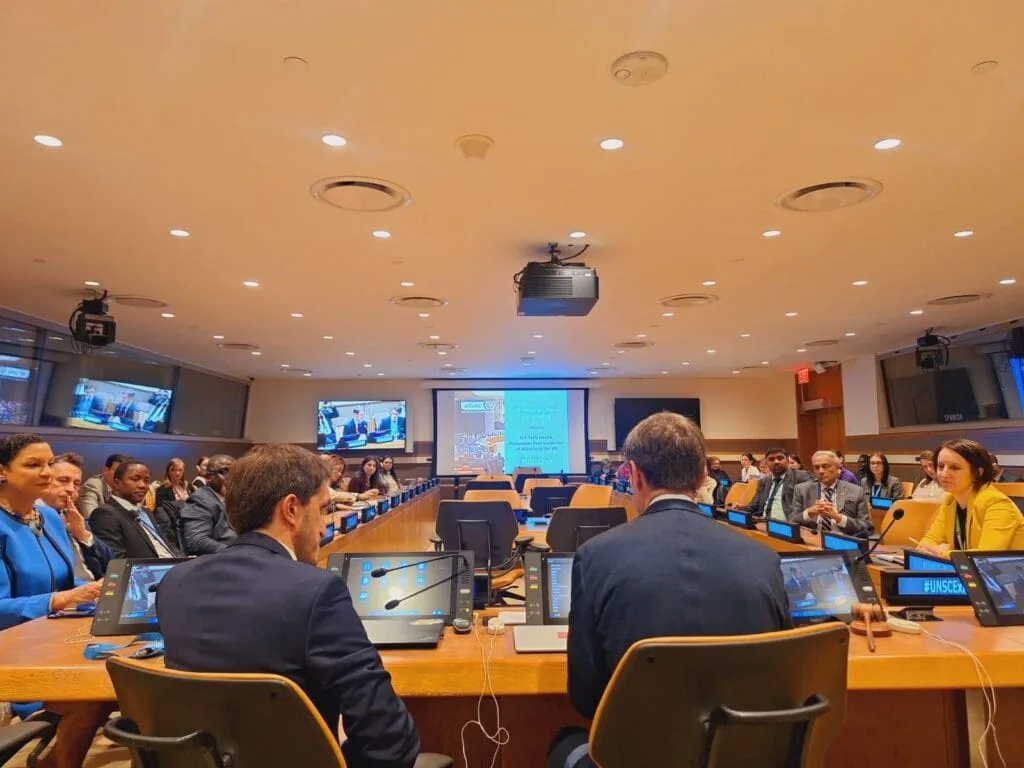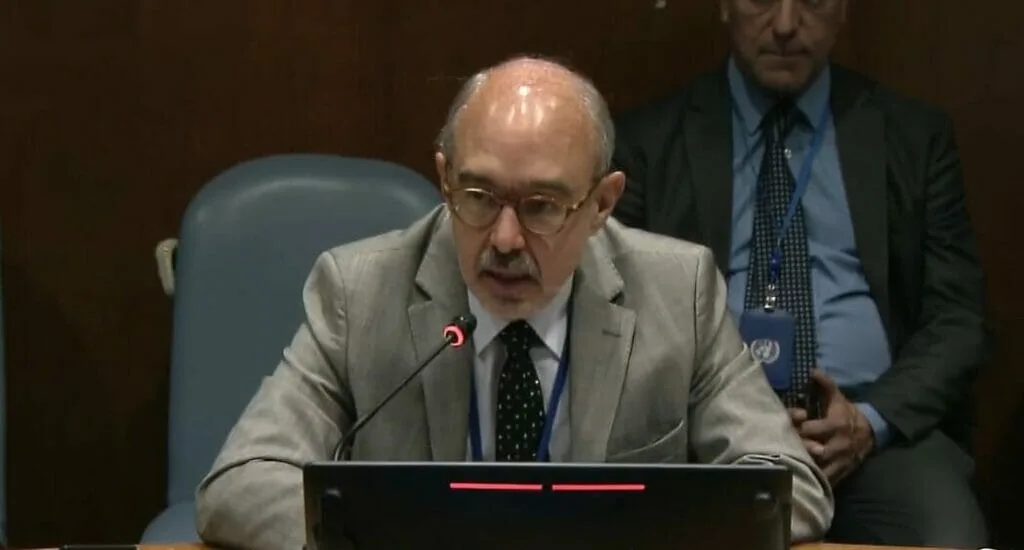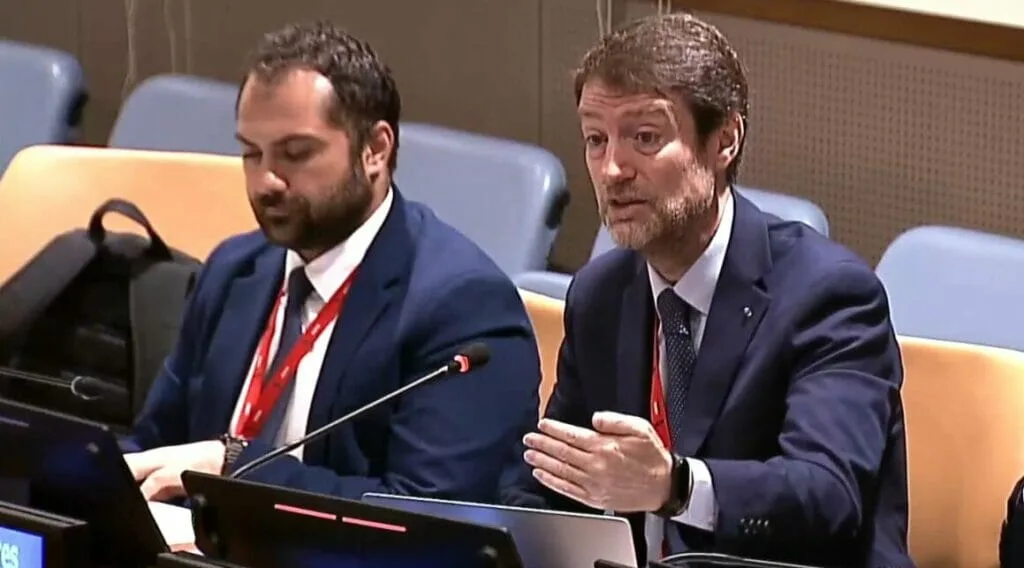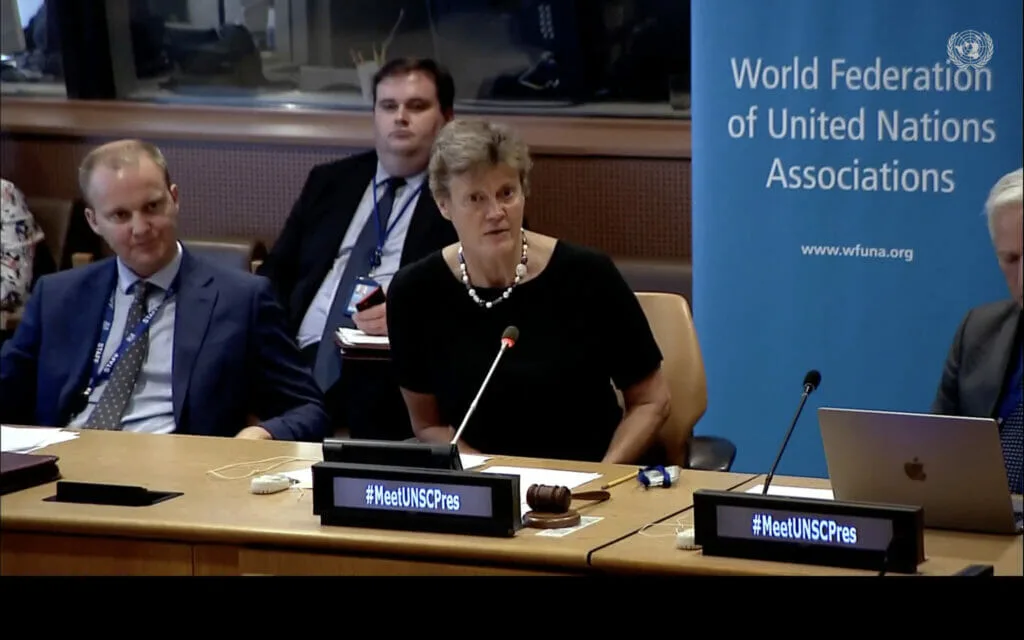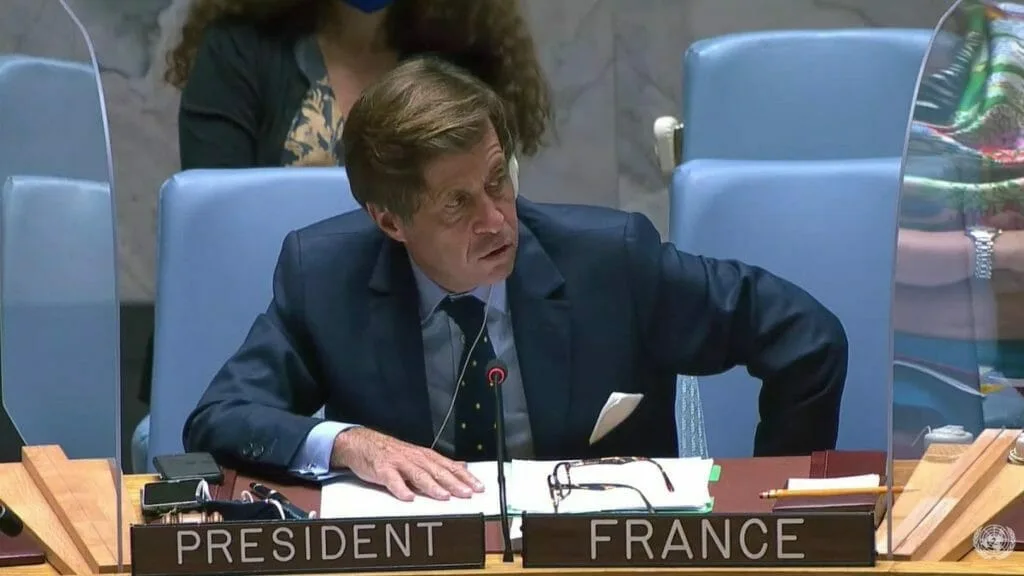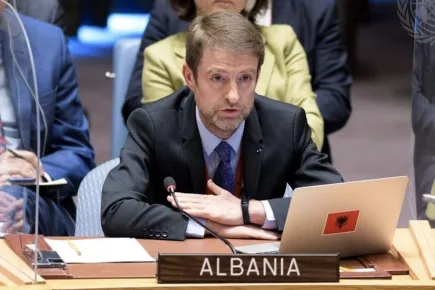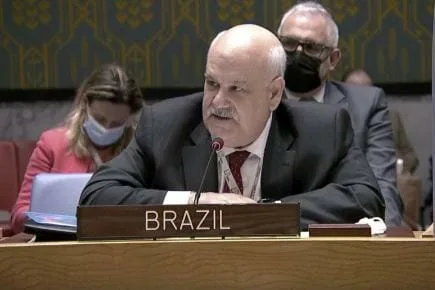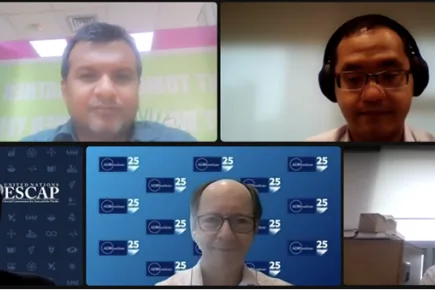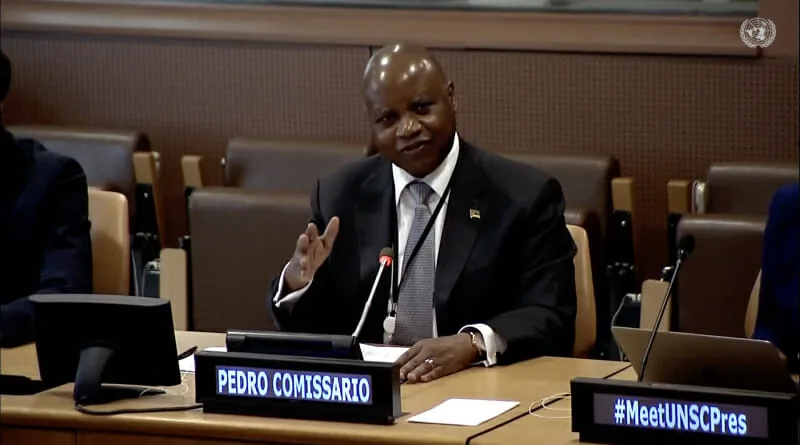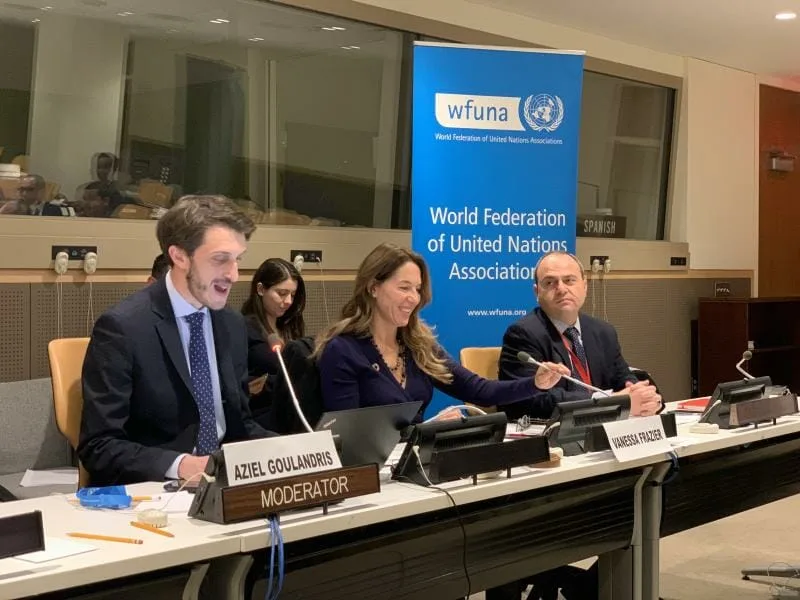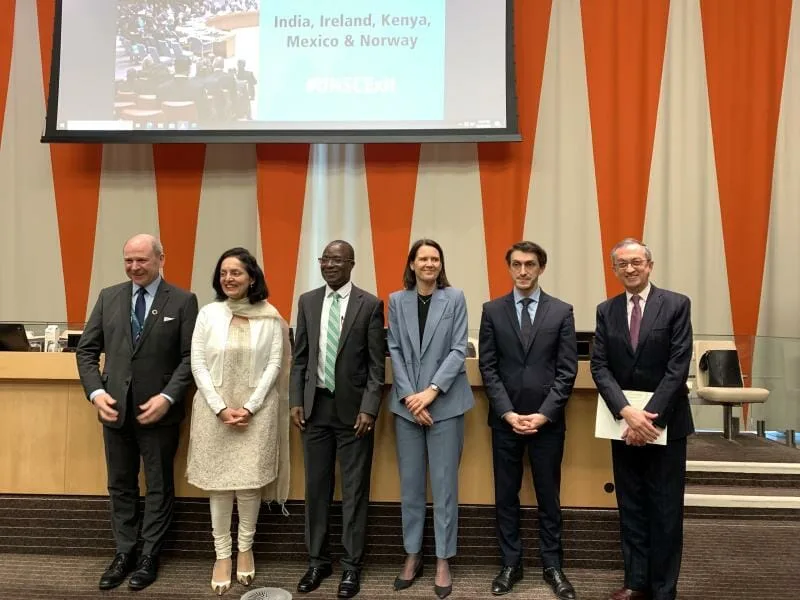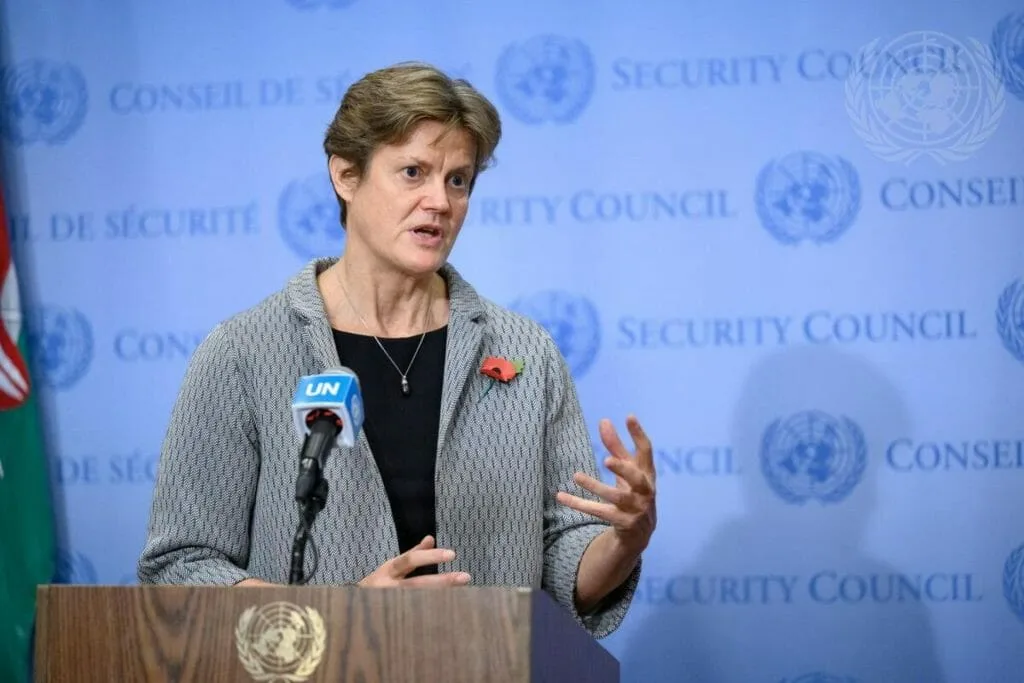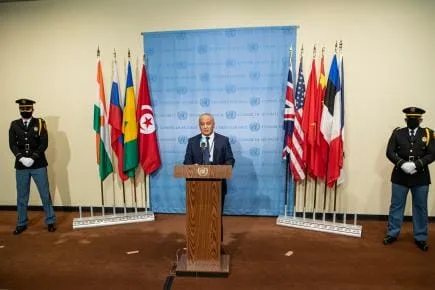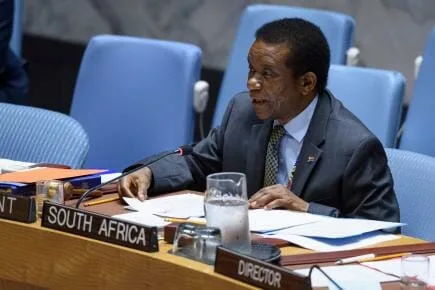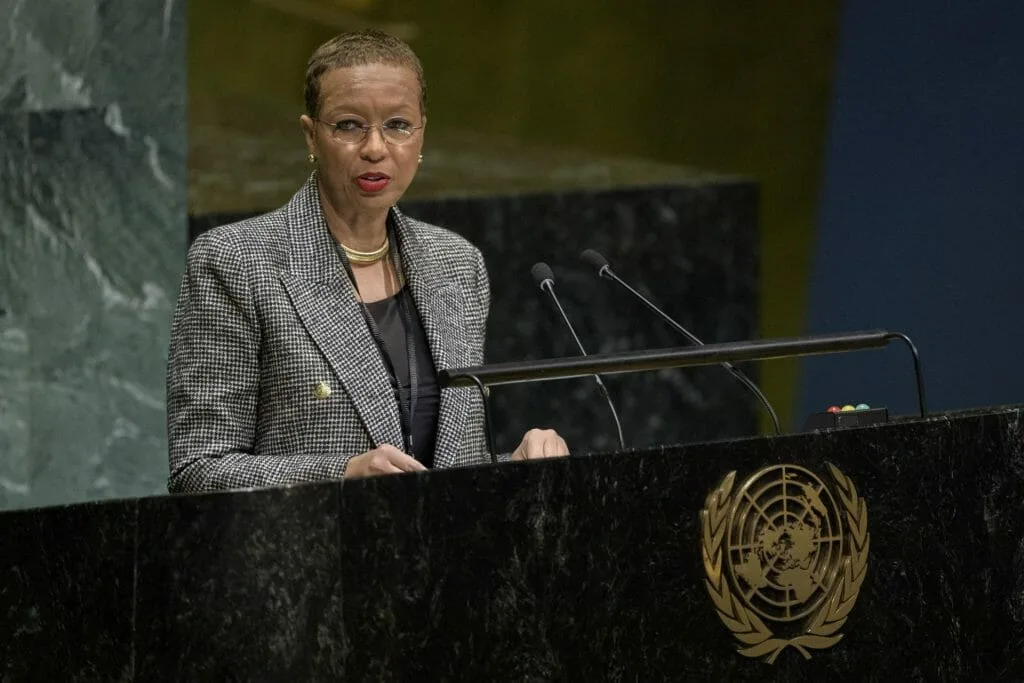

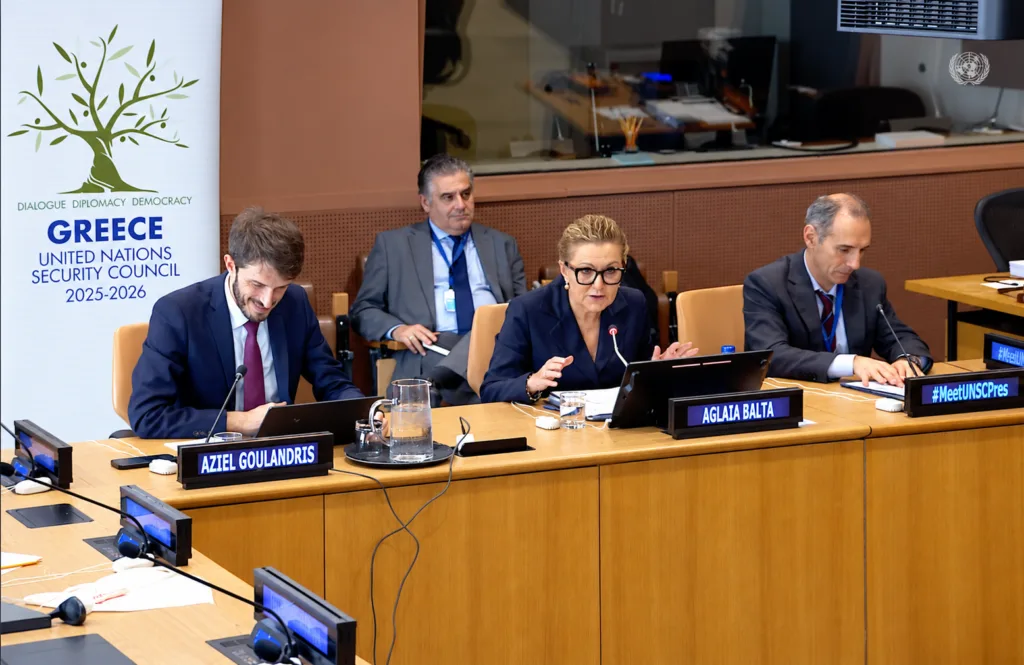
On October 6, 2026, WFUNA organized a Civil Society Dialogue with H.E. Aglaia Balta, Permanent Representative of Greece to the United Nations and President of the UN Security Council for October 2026.
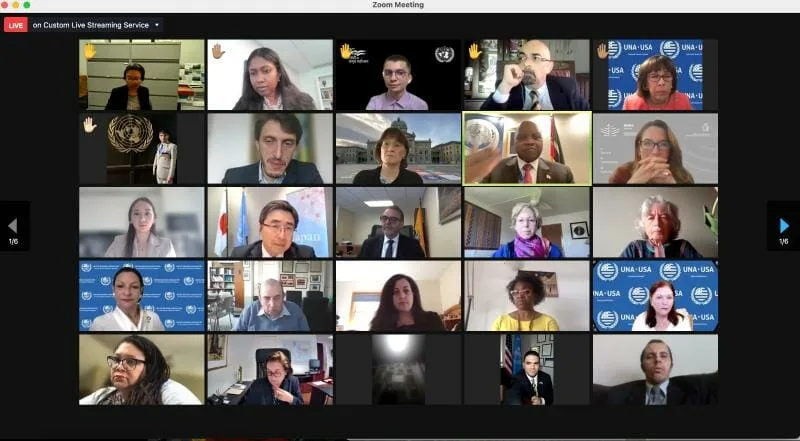
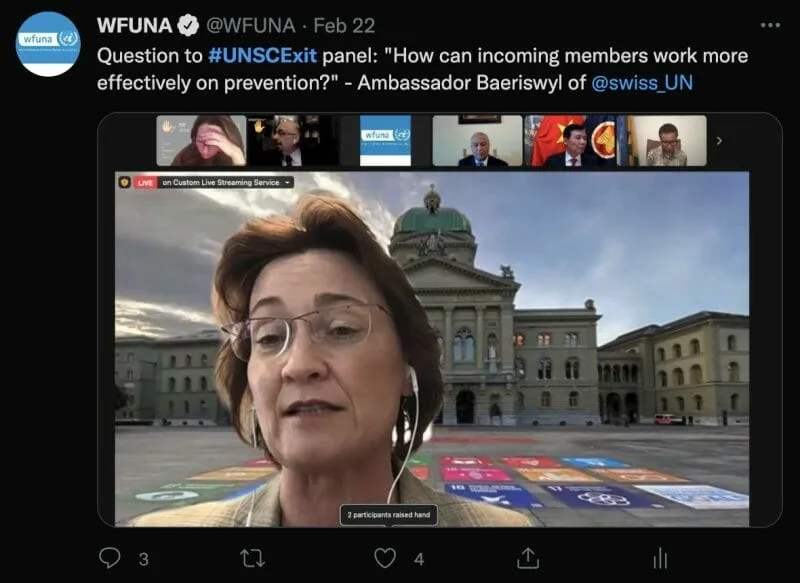
The Dialogue brought together civil society representatives in person and online, was broadcast live on UN Web TV, and welcomed questions through the hashtag #MeetUNSCPres to support broader participation from around the world.
The session was moderated by Mr. Aziel Goulandris, Secretary-General of WFUNA.
As part of WFUNA’s UNSC Transparency Initiative, the monthly CSO Dialogues provide civil society representatives with an opportunity to hear directly from the rotating President of the Security Council about the Council’s programme of work and the aims of their presidency. The Dialogues also offer a space for civil society to ask questions, seek clarification, raise issues for the Council’s attention, and provide constructive scrutiny of its work.
In his opening remarks, Mr. Goulandris highlighted WFUNA’s work to strengthen the United Nations through the grassroots activism of its more than 100 national United Nations Associations. He emphasized the indispensable role of civil society in building durable peace and the importance of strengthening links between the Security Council and communities around the world.
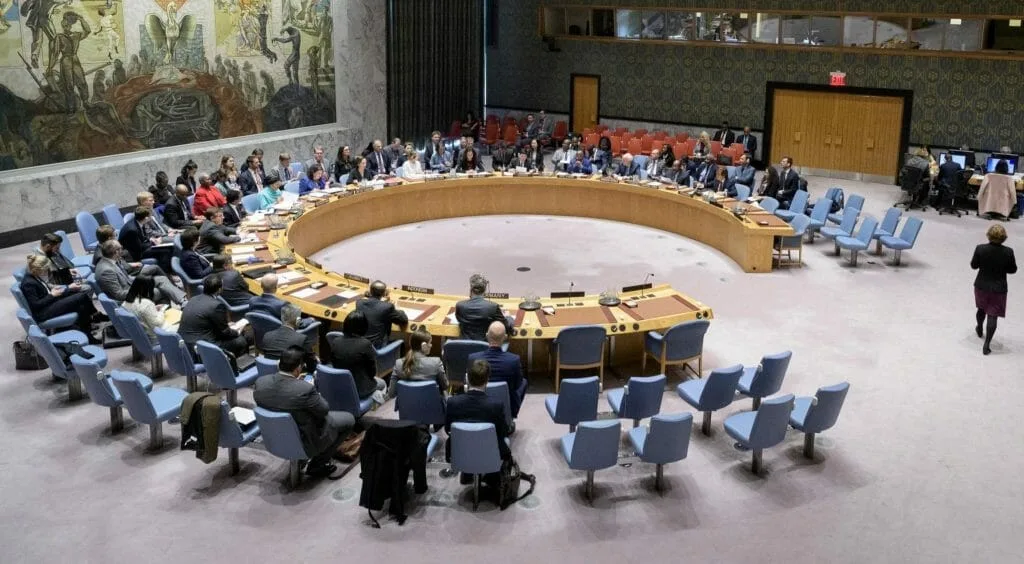
The session introduced Greece’s priorities for its presidency, including upholding international law and the UN Charter, strengthening maritime security, and promoting the peaceful settlement of disputes. Other priorities included protecting children in armed conflict, advancing the Women, Peace and Security agenda, and addressing the links between climate change, peace and security.
The submitted questions covered both country-specific situations and broader thematic issues. Questions concerning Haiti addressed violence, gun trafficking, humanitarian needs, and challenges to governance and infrastructure. A question on Cuba focused on facilitating humanitarian assistance and the role of civil society and international partners in ensuring that aid reaches those most in need.
Questions concerning conflict-affected African countries, including the Democratic Republic of the Congo and Sudan, addressed conflict prevention and the protection of civilians, particularly women and children. Further questions concerning Sudan and Haiti focused on how women-led civil society organizations and survivors could meaningfully shape ceasefire discussions, humanitarian access, peacebuilding, and accountability processes.
Thematic questions explored early warning and conflict prevention, humanitarian access, the protection of children, accountability, and support for international judicial mechanisms. Civil society representatives also submitted questions on artificial intelligence, digital exclusion, algorithmic discrimination, and technology-facilitated violence, with particular attention to communities affected by conflict.
Across these questions, a recurring focus was the meaningful participation of civil society in the Security Council’s work, particularly organizations working directly with families, women, youth, and communities affected by conflict.
If you were unable to attend, you can watch the full Dialogue on UN Web TV.
Stay tuned for more information on the next CSO Dialogue.