



Topic Description
Healthy soils are fundamental to food security. They provide nutrients and water for crops, support organisms that maintain soil fertility, store carbon and help regulate water flows. However, soils are being degraded by erosion, nutrient depletion, salinization, pollution, soil compaction and the loss of organic matter. These problems reduce agricultural productivity, threaten rural livelihoods and make food production more vulnerable to droughts, floods and other effects of climate change. Because soil forms and recovers slowly, severe degradation can have consequences lasting generations.
Soil degradation results from both natural conditions and human activities. Unsustainable cultivation, deforestation, overgrazing, inappropriate irrigation and excessive or poorly managed agricultural inputs can damage soil structure and fertility. In some regions, intensive farming has reduced organic matter and soil biodiversity, while in others, farmers struggle to maintain productivity because they cannot afford adequate fertilizers, irrigation or soil conservation measures. These differences mean that sustainable soil management cannot depend on a single approach applicable to every country.
The consequences extend beyond individual farms. Declining soil fertility can reduce crop yields and farmers’ incomes, increasing pressure to cultivate additional land. Soil erosion can carry sediments and agricultural pollutants into rivers and reservoirs, affecting water quality and aquatic ecosystems. Salinization can make irrigated land less productive, while degraded soils may store less water, increasing vulnerability to drought. These challenges are particularly serious for smallholder farmers whose livelihoods depend on maintaining productive land with limited financial and technical resources.
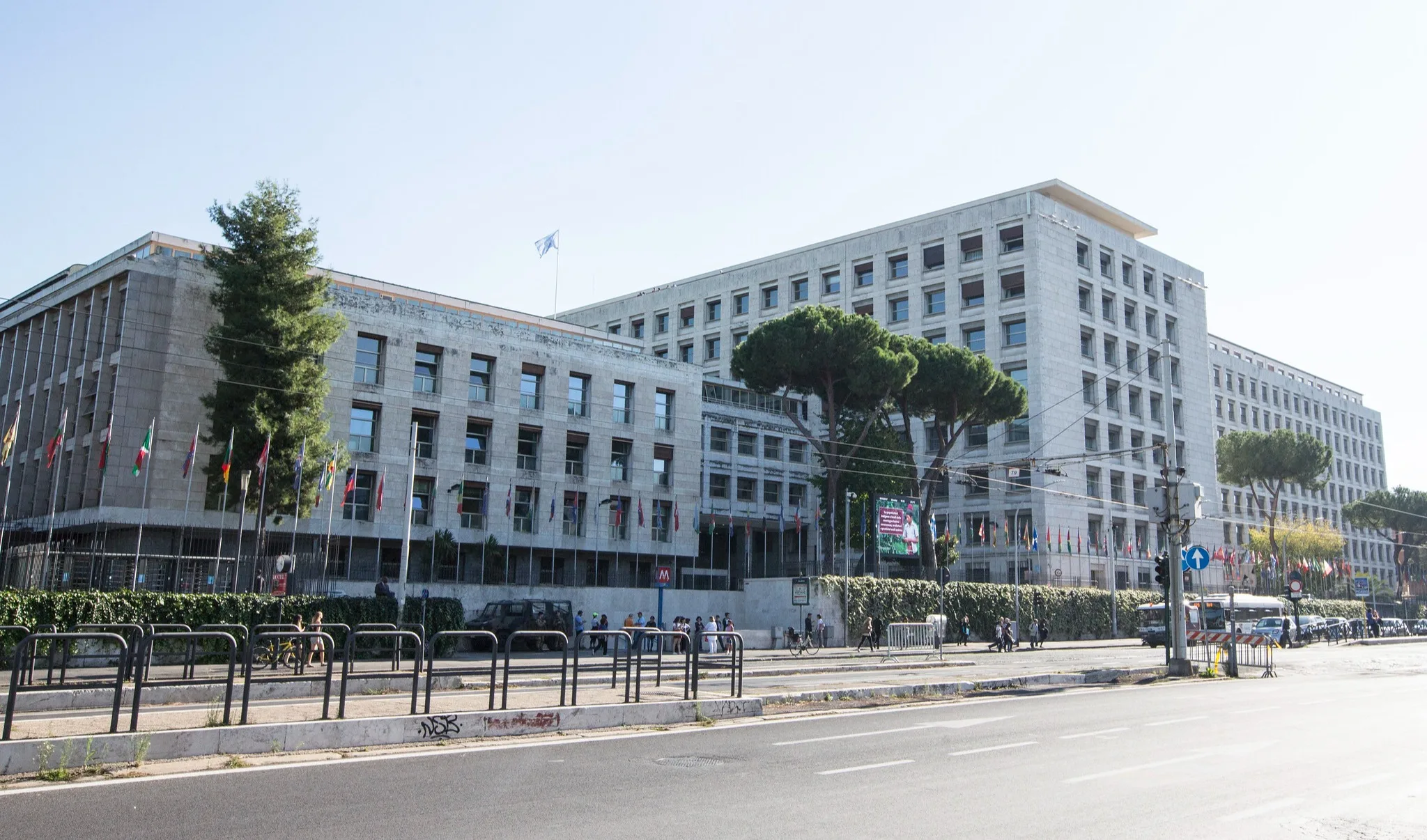
FAO and its Member Nations have already developed several initiatives to address these problems. The Global Soil Partnership promotes cooperation on soil protection, sustainable management, information sharing and capacity-building. FAO’s Voluntary Guidelines for Sustainable Soil Management provide internationally agreed guidance on preventing degradation and improving soil functions. The Global Soil Information System and related assessment initiatives help countries collect and share information about soil conditions. FAO’s State of the World’s Land and Water Resources for Food and Agriculture also examines pressures on agricultural land and water and the implications for food production.
Despite these efforts, implementation remains uneven. Many countries face shortages of soil data, trained specialists, extension services and financing. Farmers may be reluctant or unable to adopt new practices when the costs are immediate but improvements in soil health take years to become visible. Measures such as crop rotation, maintaining soil cover, adding organic matter, managing grazing, improving irrigation and controlling erosion must therefore be adapted to local environmental and economic conditions.
FAO Member Nations will examine how international cooperation can strengthen the implementation of sustainable soil management while supporting food security. Negotiations may address technical assistance, farmer training, soil monitoring, research and information sharing, and financing mechanisms that make sustainable practices accessible to small-scale producers. A central challenge is ensuring that soil conservation becomes a practical part of agricultural development rather than an additional burden on farmers who already face significant economic pressures.
Materials
Join our mailing list!
Sign up form
Or stay up to date with the latest Global Model UN news by following us on social media!